


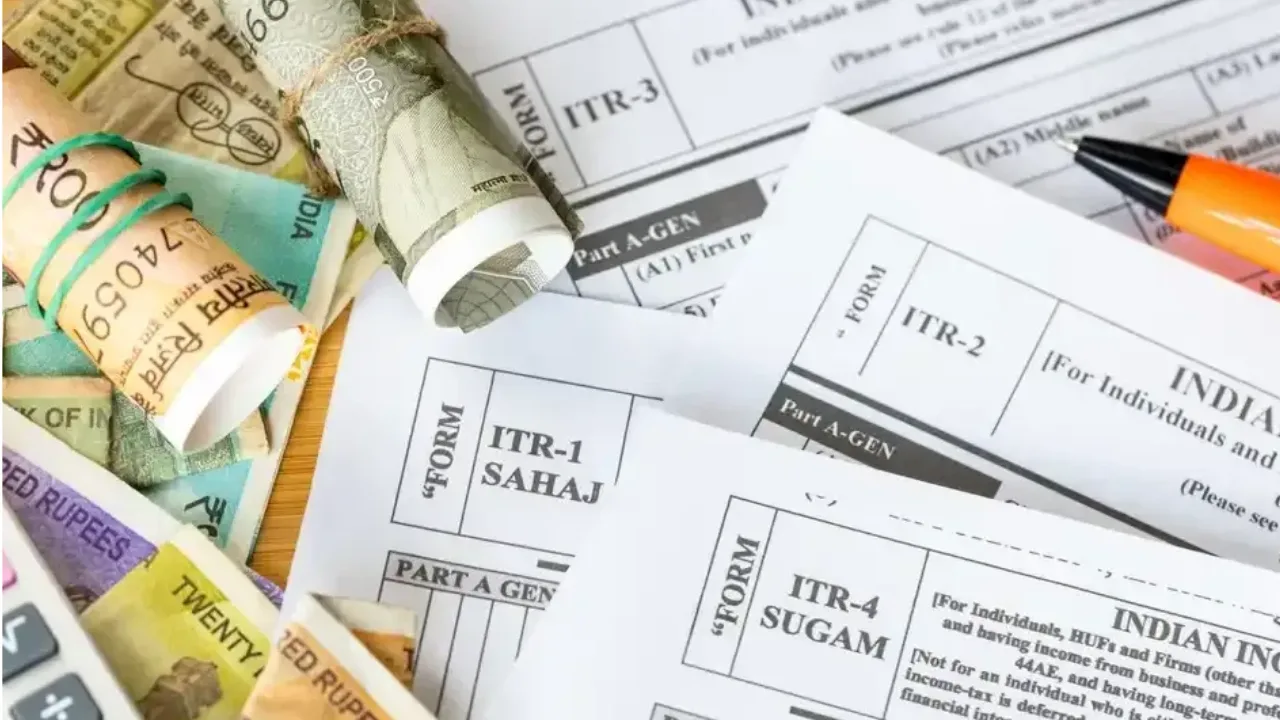
Planning to file your Income Tax Return (ITR) for the first time in 2026? Choosing the right ITR form is one of the most important steps. Moreover, selecting the correct form can help you avoid errors, delays, and unnecessary notices from the Income Tax Department.
ITR Filing 2026: Why Choosing the Right ITR Form Matters
Filing an Income Tax Return may seem complicated, especially for first-time taxpayers. However, understanding the purpose of each ITR form can make the process much easier. The Income Tax Department has introduced different ITR forms based on the nature and source of income. Therefore, taxpayers must carefully evaluate their earnings before selecting a form.
Whether your income comes from salary, pension, business, capital gains, or professional services, there is a specific ITR form designed for your situation. Moreover, filing the wrong form can lead to an invalid return, which may require taxpayers to submit a revised return later.
Tax experts recommend checking your income sources, annual earnings, investments, and assets before filing your return. As a result, you can ensure smooth processing and avoid unnecessary complications during assessment.
ITR-1 (Sahaj): Best for Salaried Individuals
ITR-1, also known as Sahaj, is the most commonly used Income Tax Return form among salaried taxpayers. You can use this form if your total annual income does not exceed ₹50 lakh.
Additionally, this form is suitable for individuals whose income comes from salary, pension, one house property, and other sources such as bank interest, savings account interest, or interest received on income tax refunds.
However, taxpayers with capital gains, foreign assets, or multiple house properties cannot file ITR-1.
ITR-2: For High-Income Individuals and Capital Gains
ITR-2 is designed for individuals and Hindu Undivided Families (HUFs) who do not have business income but earn from multiple sources.
You should file ITR-2 if your annual income exceeds ₹50 lakh. Moreover, this form applies to taxpayers who own more than one house property, earn capital gains from shares or mutual funds, or hold foreign assets and overseas income.
Therefore, investors and individuals with complex financial portfolios generally fall under this category.
ITR-3: For Business Owners and Professionals
ITR-3 is meant for individuals and HUFs earning income from a business or profession. For example, doctors, lawyers, consultants, freelancers, traders, and business owners often use this form.
Additionally, taxpayers with proprietary business income must file ITR-3. Since this form requires detailed reporting of business profits and expenses, accurate bookkeeping becomes essential.
Consequently, maintaining proper financial records throughout the year can simplify the filing process.
ITR-4: For Small Taxpayers Under Presumptive Taxation
ITR-4, also called Sugam, is specifically designed for small businesses and professionals who opt for the Presumptive Taxation Scheme under Sections 44AD, 44ADA, or 44AE.
Under this scheme, taxpayers can declare income at a prescribed percentage without maintaining detailed books of accounts. Therefore, compliance becomes easier for eligible small taxpayers.
Moreover, this form helps reduce paperwork while ensuring timely tax filing.
ITR-5: For LLPs, Firms, and Other Entities
ITR-5 applies to various non-individual entities. These include partnership firms, Limited Liability Partnerships (LLPs), Associations of Persons (AOPs), Bodies of Individuals (BOIs), cooperative societies, and certain trusts.
However, organizations covered under ITR-7 cannot use this form. Therefore, entities should carefully review their legal structure before selecting ITR-5.
ITR-6: Applicable to Companies
ITR-6 is intended for companies registered under applicable laws. This includes domestic companies, foreign companies, and other entities legally recognized as companies.
Additionally, companies must disclose detailed financial information while filing this return. As a result, proper accounting records and compliance documentation are essential for accurate filing.
ITR-7: For Trusts and Tax-Exempt Institutions
ITR-7 is specifically meant for organizations claiming tax exemptions under various provisions of the Income Tax Act.
These entities include charitable trusts, religious trusts, political parties, schools, colleges, universities, research institutions, and organizations covered under Sections 139(4A), 139(4B), 139(4C), and 139(4D).
Moreover, these institutions must meet specific compliance requirements to continue enjoying tax benefits under the law.
Quick Comparison of ITR Forms 2026
| ITR Form | Who Can File |
|---|---|
| ITR-1 | Salaried individuals with income up to ₹50 lakh |
| ITR-2 | Individuals with income above ₹50 lakh, capital gains, or foreign assets |
| ITR-3 | Business owners and professionals |
| ITR-4 | Small taxpayers under Presumptive Taxation Scheme |
| ITR-5 | Partnership firms, LLPs, AOPs, BOIs, and certain trusts |
| ITR-6 | Companies |
| ITR-7 | Charitable trusts, educational institutions, and exempt entities |
Final Thoughts
Choosing the correct ITR form is the foundation of a smooth tax filing experience. Therefore, taxpayers should carefully review their income sources, investments, and eligibility before filing returns for the assessment year 2026. Moreover, selecting the right form can prevent delays, reduce compliance issues, and ensure faster processing of refunds. If you are unsure about your eligibility, consulting a tax professional can help you file accurately and confidently.
| FAQ | Answer |
|---|---|
| Which ITR form should salaried employees use? | Most salaried individuals with income up to ₹50 lakh can file ITR-1. |
| Who should file ITR-2? | Individuals with capital gains, foreign assets, multiple properties, or income above ₹50 lakh. |
| Is ITR-4 suitable for freelancers? | Yes, eligible freelancers under the Presumptive Taxation Scheme can file ITR-4. |
| Can companies file ITR-1? | No, companies must generally file ITR-6. |